Very true Pratik bhai 🙏 Micro-smallcaps are the most hated right now — and that's exactly why they're interesting. Historically, the best entry points in small caps have always come when: • Median stock is down 40%+ • Retail is exiting in panic • Nobody wants to talk about them We're at ALL THREE right now. For patient investors with a 3-year view — this is not a time to fear, it's a time to make a list.
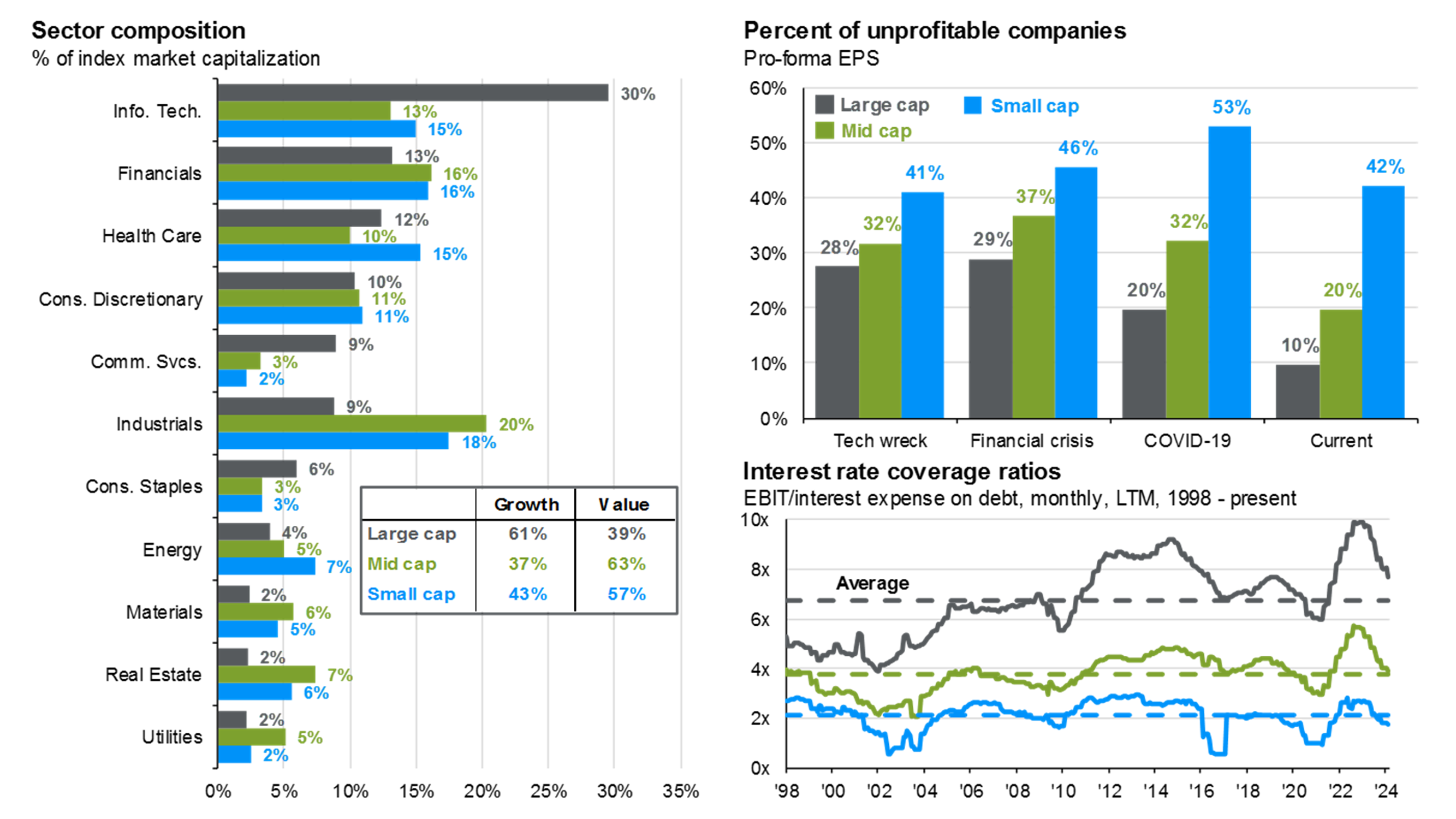
This Guide to the Markets slide (as of Sep 30, 2025) compares large-, mid-, and small-cap stocks on forward P/E, interest coverage, and the share of unprofitable companies. It shows small caps with weaker coverage and a higher unprofitable share—evidence of how out-of-favor they are now, underscoring the contrarian opportunity the tweet describes.
Source: J.P. Morgan Asset Management
Research Brief
What our analysis found
India's micro- and small-cap stocks are enduring their most punishing stretch in seven years, and the data confirms the depth of the pain. The BSE SmallCap index hit an 8-month intraday low of roughly 47,628 on January 20, 2026, retreating to levels last seen in May 2025. The broader picture is even starker: 2025 was the worst year for Indian small caps since 2018, with the small-cap index falling approximately 9.45% after back-to-back gains of 47.5% in 2023 and 29.3% in 2024. The Nifty Microcap 250, a closer proxy for the stocks referenced in the viral tweet, dropped about 6% in 2025. By early March 2025, at least 1,030 small-cap stocks had plunged more than 50% from their 52-week highs, and by early 2026 more than 600 small-cap names were nursing double-digit losses.
Retail participation has dried up in tandem. Direct retail ownership of NSE-listed stocks fell to a 4-year low of 7.25% of total market capitalisation in Q3 FY26, and retail investors were net sellers of ₹1,714 crore across 2025, with the average price of retail-held stocks declining 10.3%. Mutual fund appetite also cooled: small-cap fund inflows slowed to ₹2,942 crore in January 2026, a 23% drop from December 2025, while Jefferies reported that fund houses trimmed small-cap exposure by roughly 150 basis points of total equity AUM between April and September 2025 in favour of large caps.
Yet the contrarian case is not without caveats. Despite widespread drawdowns, the Nifty Smallcap 100 still traded at 28.61x trailing earnings in late January 2026, not far from its 2025 peak of 30.38x. A CIO at JioBlackRock noted that small-cap valuations remained approximately two standard deviations above their long-term mean. SEBI-mandated stress tests have also flagged rising liquidity risk, with one large small-cap fund estimating it would take 102 days to liquidate 50% of its portfolio. The debate, therefore, is less about whether small caps are beaten down and more about whether they are beaten down enough relative to the risks that remain.
Fact Check
Evidence from both sides
Supporting Evidence
Median stock drawdowns exceed 40%
By March 2025, at least 1,030 small-cap stocks had fallen more than 50% from their 52-week highs, according to Business Today, and by early 2026 more than 600 names were down by double digits, confirming the tweet's claim of extreme median declines across the universe.
Retail investors are exiting in measurable panic
Business Standard data shows retail direct ownership of NSE market cap dropped to a 4-year low of 7.25% in Q3 FY26, while retail participants were net sellers of ₹1,714 crore in 2025, directly supporting the "retail is exiting in panic" leg of the thesis.
Institutional attention has moved elsewhere
Jefferies found that mutual funds cut small-cap exposure by approximately 150 basis points of total equity AUM between April and September 2025, redirecting flows toward large caps — evidence that "nobody wants to talk about them" in professional circles.
Worst annual performance in seven years signals washout conditions
The small-cap index's roughly 9.45% decline in 2025 was the steepest since 2018, and the BSE SmallCap index hit an 8-month low in January 2026, a setup that business press outlets like Business Standard described as a potential cherry-picking opportunity for long-term investors.
Market commentators endorse staggered long-term entry
Multiple analysts quoted in Business Standard in January 2026 recommended staggered, long-term exposure to small-cap funds at the prevailing lows, aligning with the tweet's advice for "patient investors with a 3-year view."
Contradicting Evidence
Valuations remain historically elevated despite the selloff
The Nifty Smallcap 100 still traded at roughly 28.61x trailing earnings in late January 2026, close to its 2025 peak of 30.38x. A JioBlackRock CIO warned that small-cap valuations sat about two standard deviations above their long-term mean, suggesting "cheap" sentiment does not equate to cheap prices, per Moneycontrol.
Liquidity risk could amplify losses on any further selling
SEBI stress tests revealed that liquidation timelines for small-cap mutual funds have ballooned — one major scheme estimated 102 days to offload just 50% of its portfolio as of February 2026 — meaning a fresh wave of redemptions could trigger forced selling and deeper drawdowns.
Falling retail and MF flows may not yet signal capitulation
While small-cap fund inflows dropped 23% month-on-month to ₹2,942 crore in January 2026, overall equity mutual fund inflows actually rose to ₹25,978 crore by February 2026, indicating investors are rotating rather than capitulating entirely, which undermines the narrative that a true washout has occurred.
Prior cycle precedent cuts both ways
The tweet invokes historical patterns, but the 2018 small-cap downturn — the last comparable episode — saw the index decline for roughly 18 months before bottoming, and recovery to prior highs took over two years, cautioning that a 3-year horizon may still prove optimistic if macro headwinds persist.
Selectivity matters more than broad contrarian bets
Money managers quoted in Moneycontrol and Business Standard emphasised that not all beaten-down small caps will recover; many smaller companies face fundamental earnings deterioration, meaning blanket contrarian buying carries meaningful stock-specific risk that the tweet's framing may understate.
Report an Issue
Found something wrong with this article? Let us know and we'll look into it.